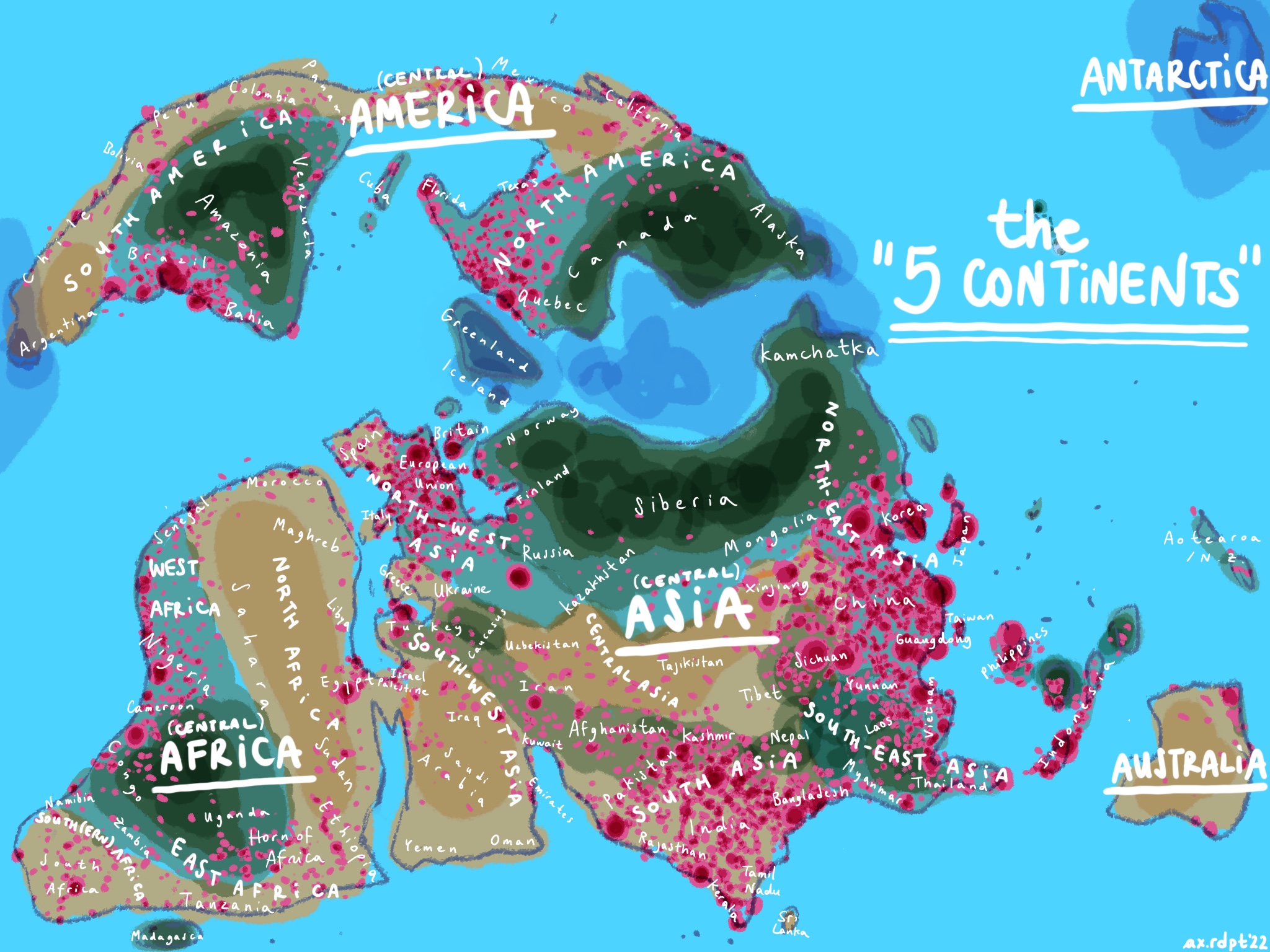
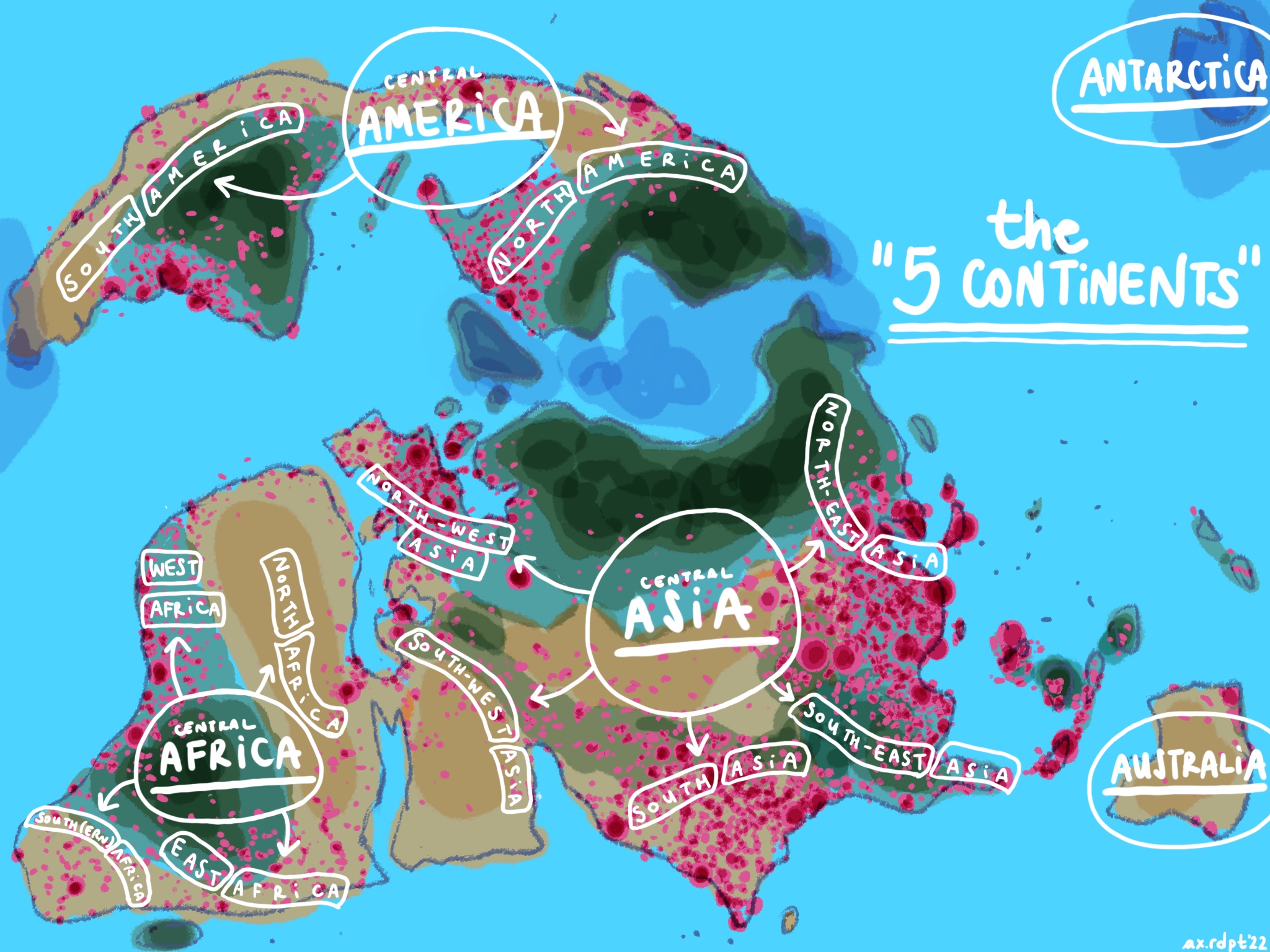
To say that “Europe is not a continent” can only make sense, as both a provocation and an actual description of that part of the world, if we understand the world as a whole in its current post-colonial condition.
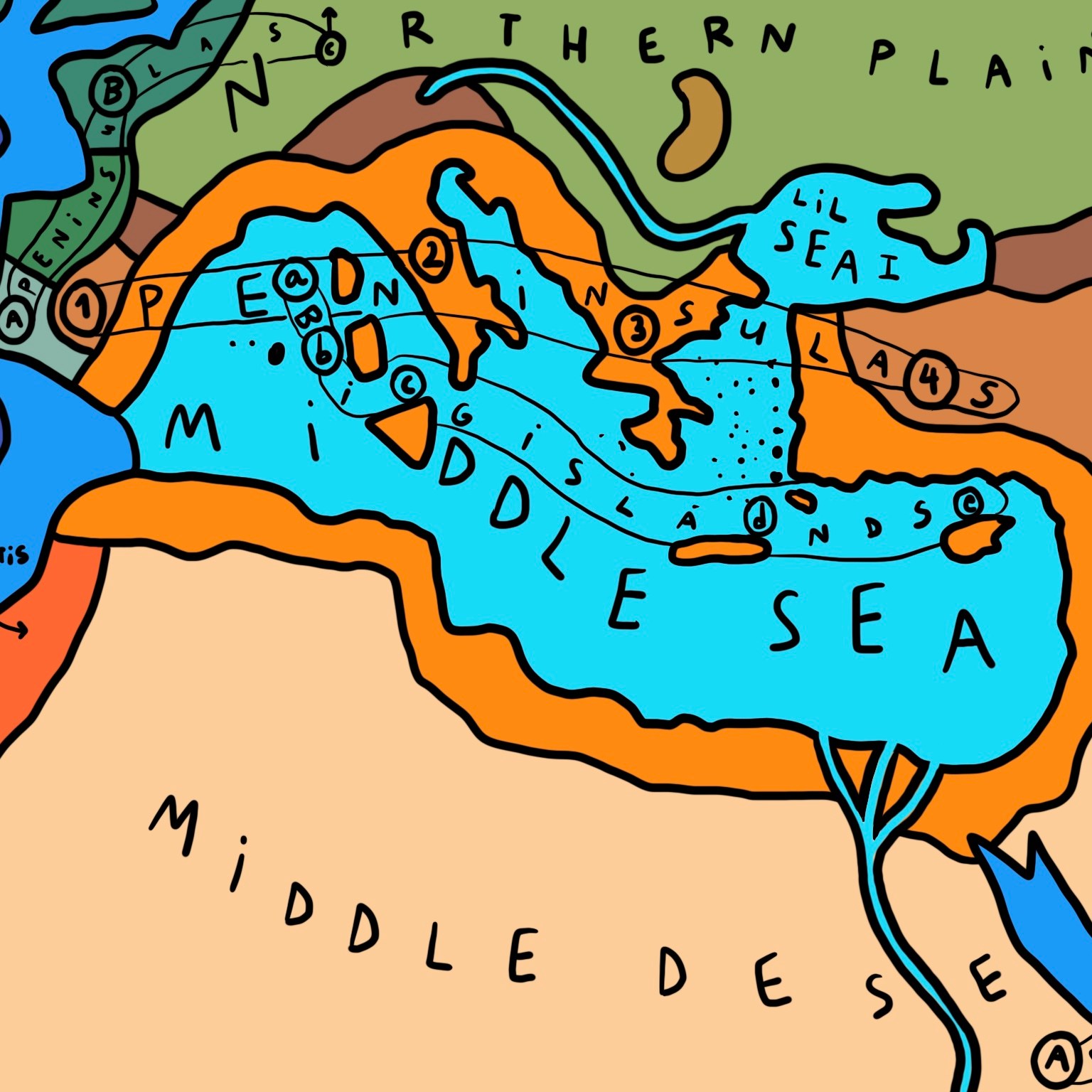
-> Not completely surrounded by water like each of the world’s main landmasses – or “continents”, see below – Europe could be seen as a peninsula or sub-continent of Asia at best. Still, it was imagined (and really invented) as a continent in Ancient Greek times and then still over the centuries through processes of differentiation of a “white”-Christian and “civilized-developed” part of the world in relation to all others.
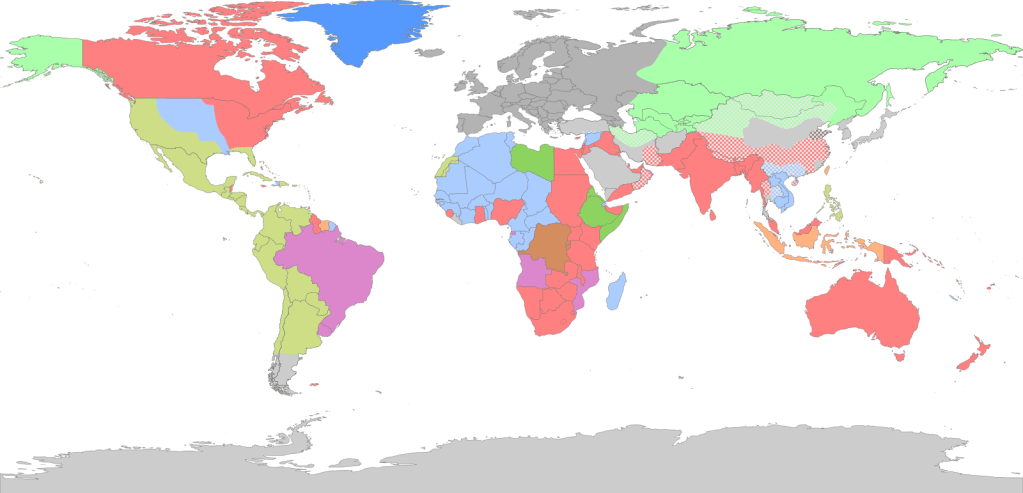
https://commons.wikimedia.org/wiki/File:European_Empires.svg
-> These processes of differentiation between Europe and “the rest” (and between Europeans, including white settlers, and all other people) inspired and justified, as we know, the depredation, enslavement and mass killing of “non-European” people and the appropriation of the lands they lived on. To this day, white people and white-majority countries (all of us, although not all in the same way, and even without being personally responsible for it) still benefit from the consequences of colonial imperialism today.
-> To achieve a fair rebalancing of power and resource distribution worldwide in practice (of course if we agree that these are desirable goals…) the long ongoing process of de-colonization requires different ways of thinking. This shift is already happening across the world in everyday life as much as in the studying and teaching of history, geography, anthropology and the social sciences in general, in terms of not only de-centering but also de-constructing the idea of Europe itself.
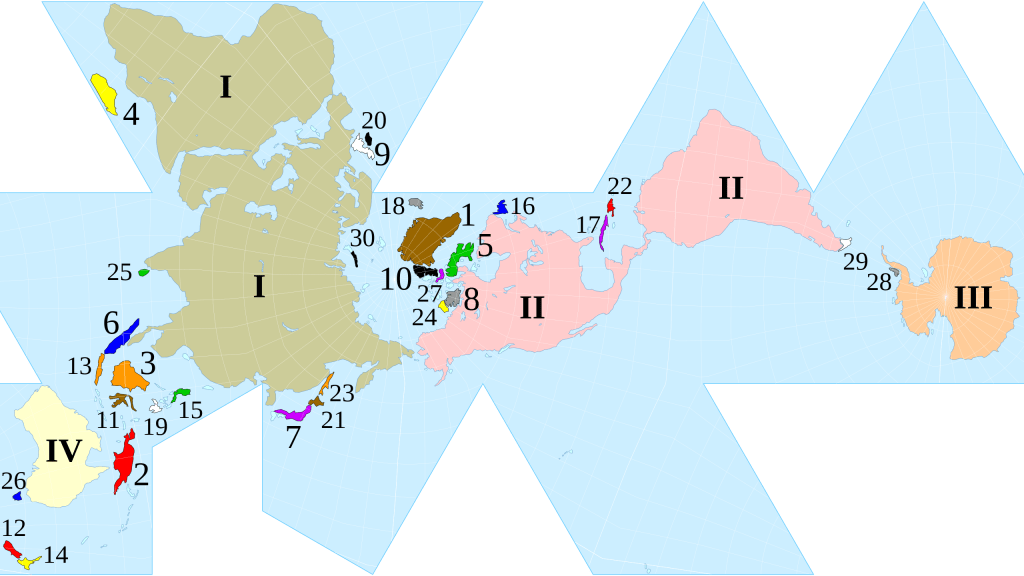
Islands by Area
https://en.wikipedia.org/wiki/List_of_islands_by_area
Also as many people of color tell us white people that they are tired of having to make us aware, again and again, of the violence and injustices of the post-colonial world we live in… this website is simply thought as a toolbox to support both the learning paths of us white people in particular (of all ages & not only if in formal education programs) and at the same time the work of white educators (like myself) who wish to contribute every day, through their teaching and mentoring, to this collective work in progress.
But still… “why would Europe not be a continent?” See -> here
Teaching & Self-teaching Resources:
For Independent Learners
(Resources -> HERE)
< SOME SHORTCUTS >
Quick Note 1 (of 3):
The Post-Colonial World We Live In
The need to rethink “Europe”, the “Global North” and “the West” historically and today

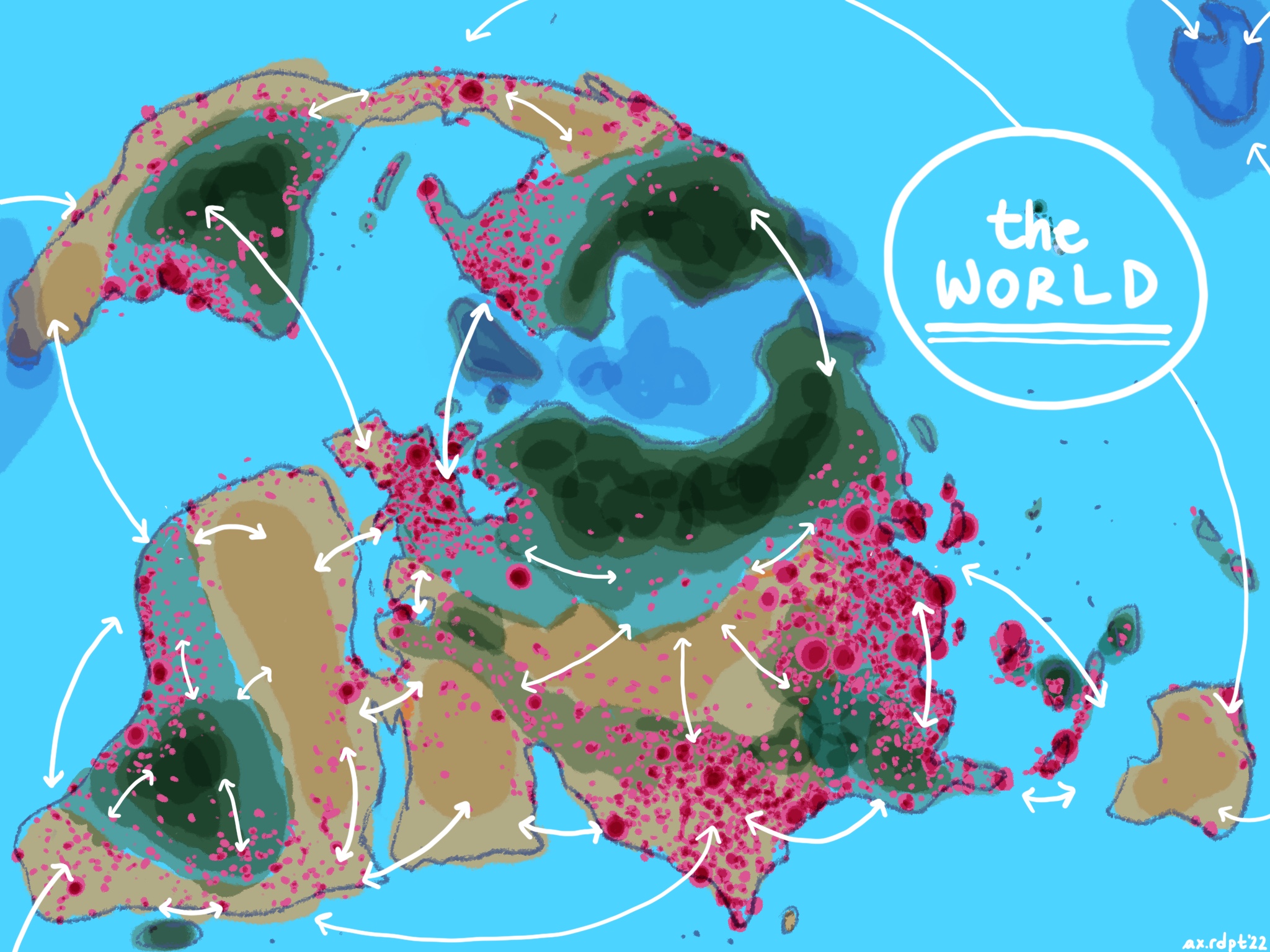
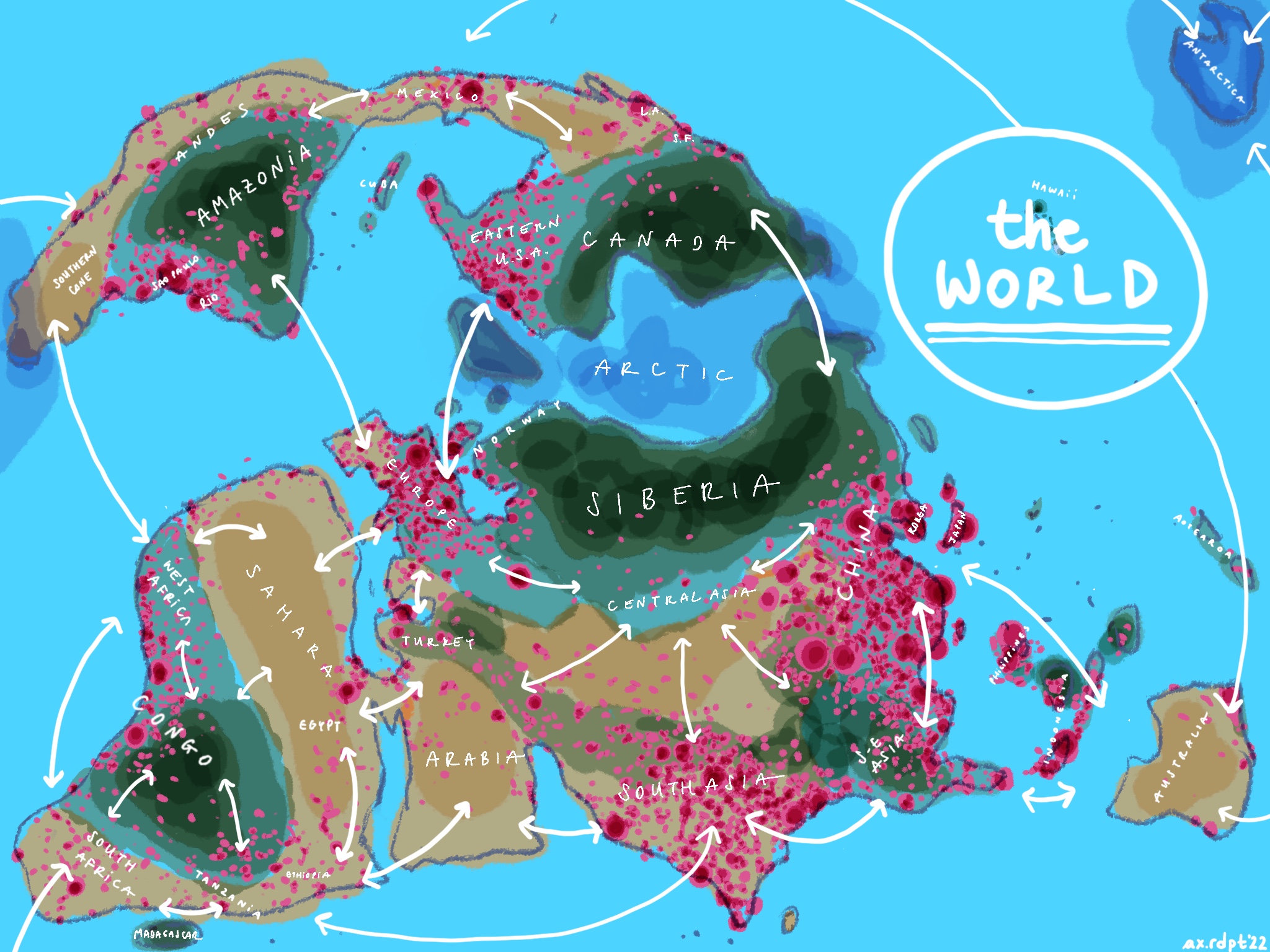
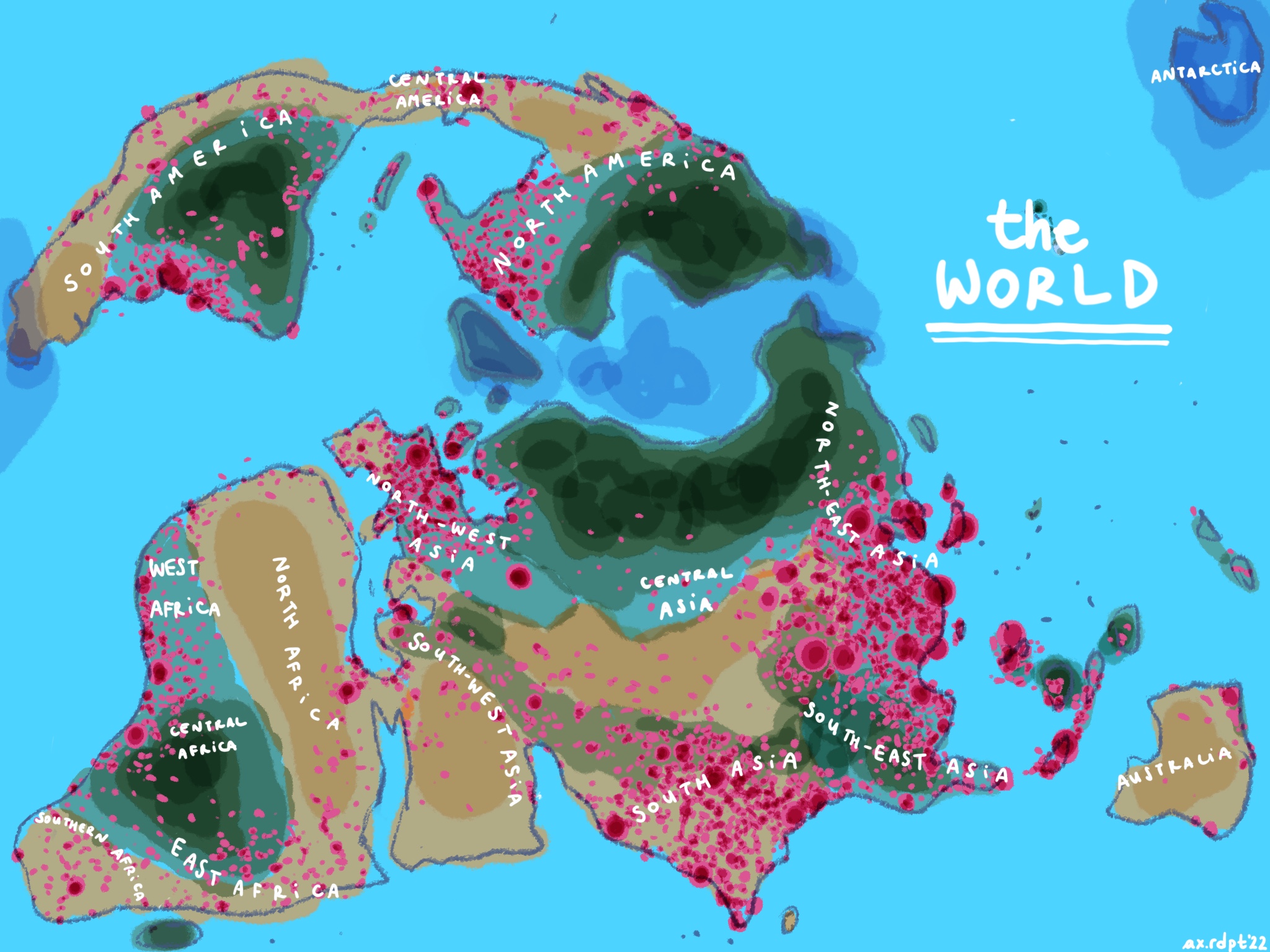
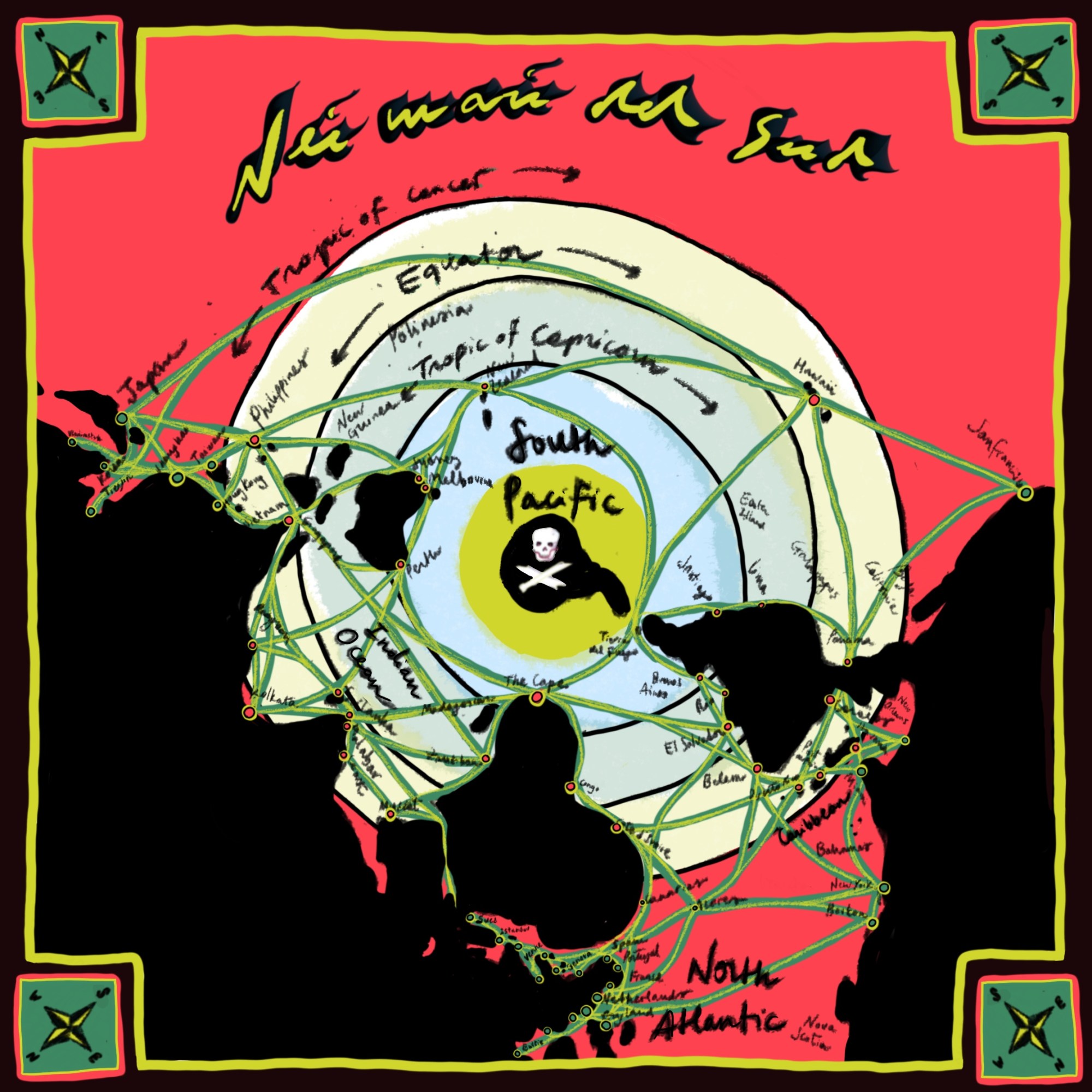
As we know, the wealth and power of North-Western Europe (in my map, the “blue banana” megalopolis of the present day) boomed through capitalist expansion in colonies beyond “Europe”. London, Paris and Berlin (or also New York…) would not be as rich today without having exploited – for centuries – Asia, Africa and Latin America.
Resources and exercises on world history are included in each sub-section above, but for a simple and accessible history & explanation of European imperialism and its ideas of “civilization”, if one wants nothing too challenging and is going to read only one thing I suggest this one:
-> Stuart Hall’s “The West and the Rest” (in “Formations of Modernity”, Polity Press, 1992, pp.185-225, or selections), linked -> HERE
Quick Note 2 (of 3):
Every Place is One & Many at Once
The global geographies of our everyday lives
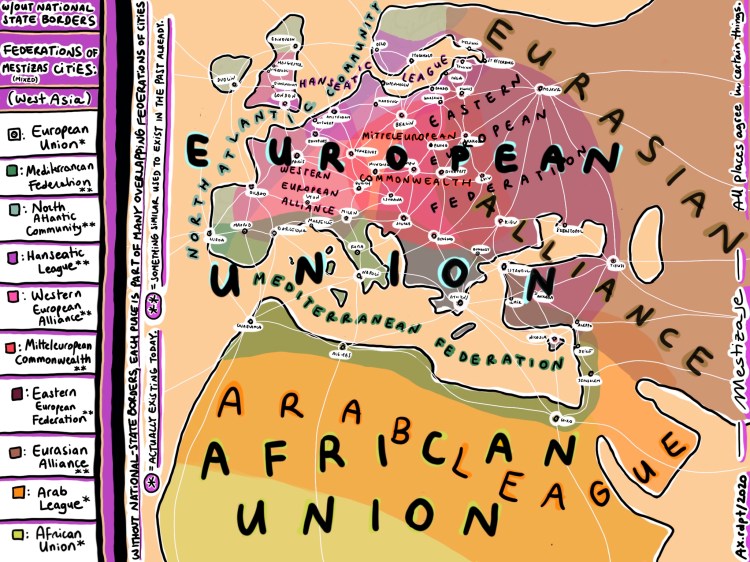
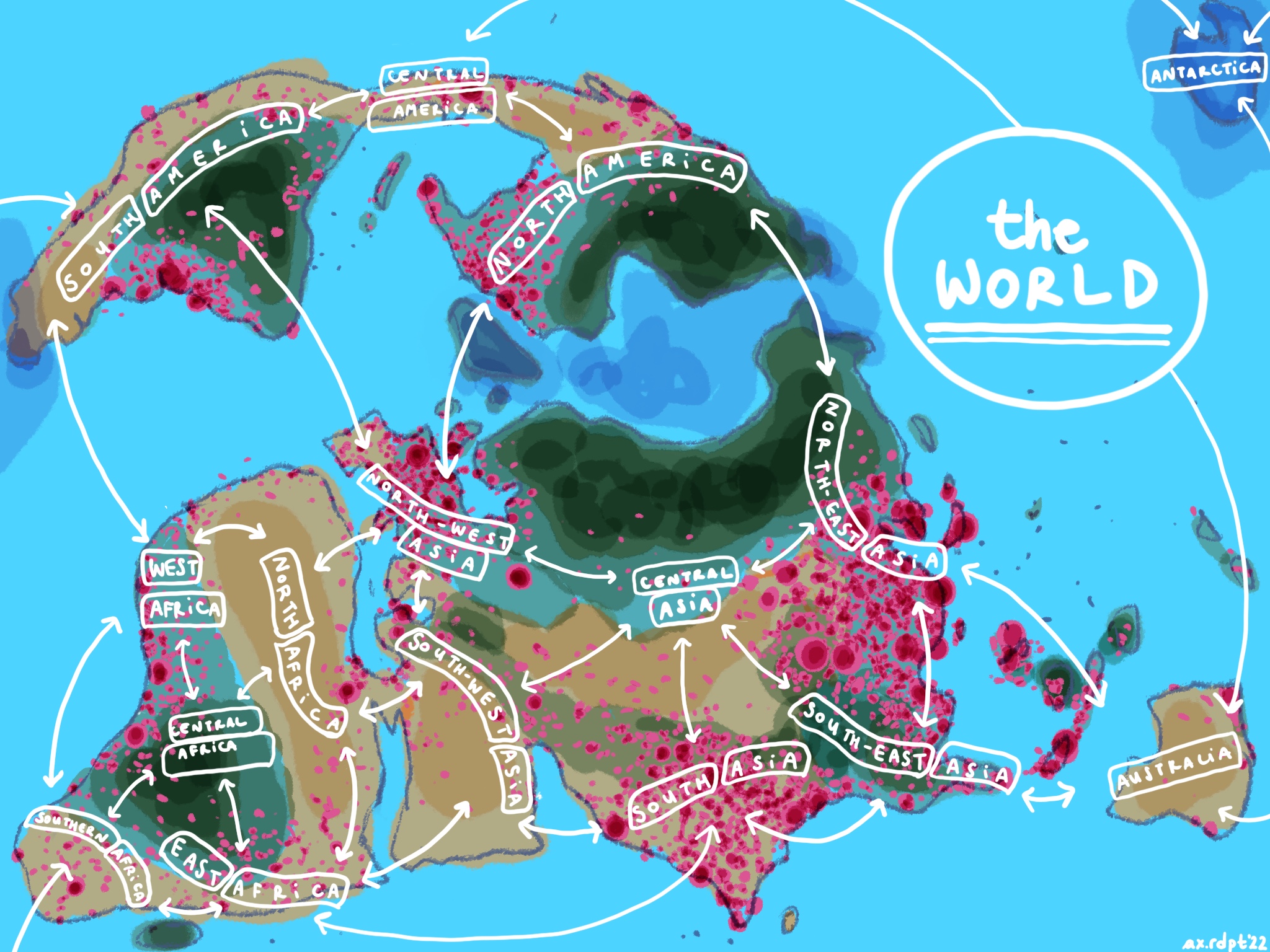
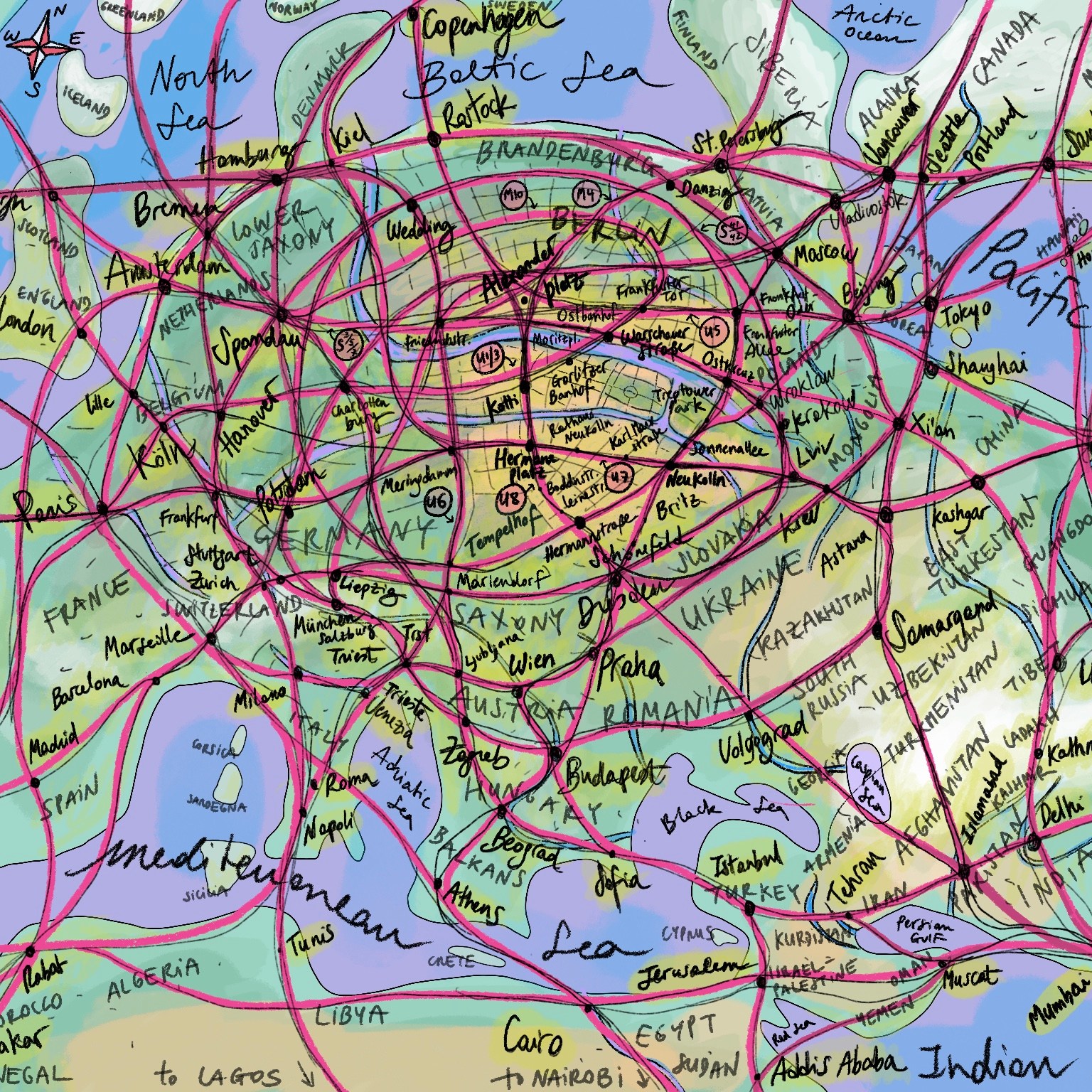
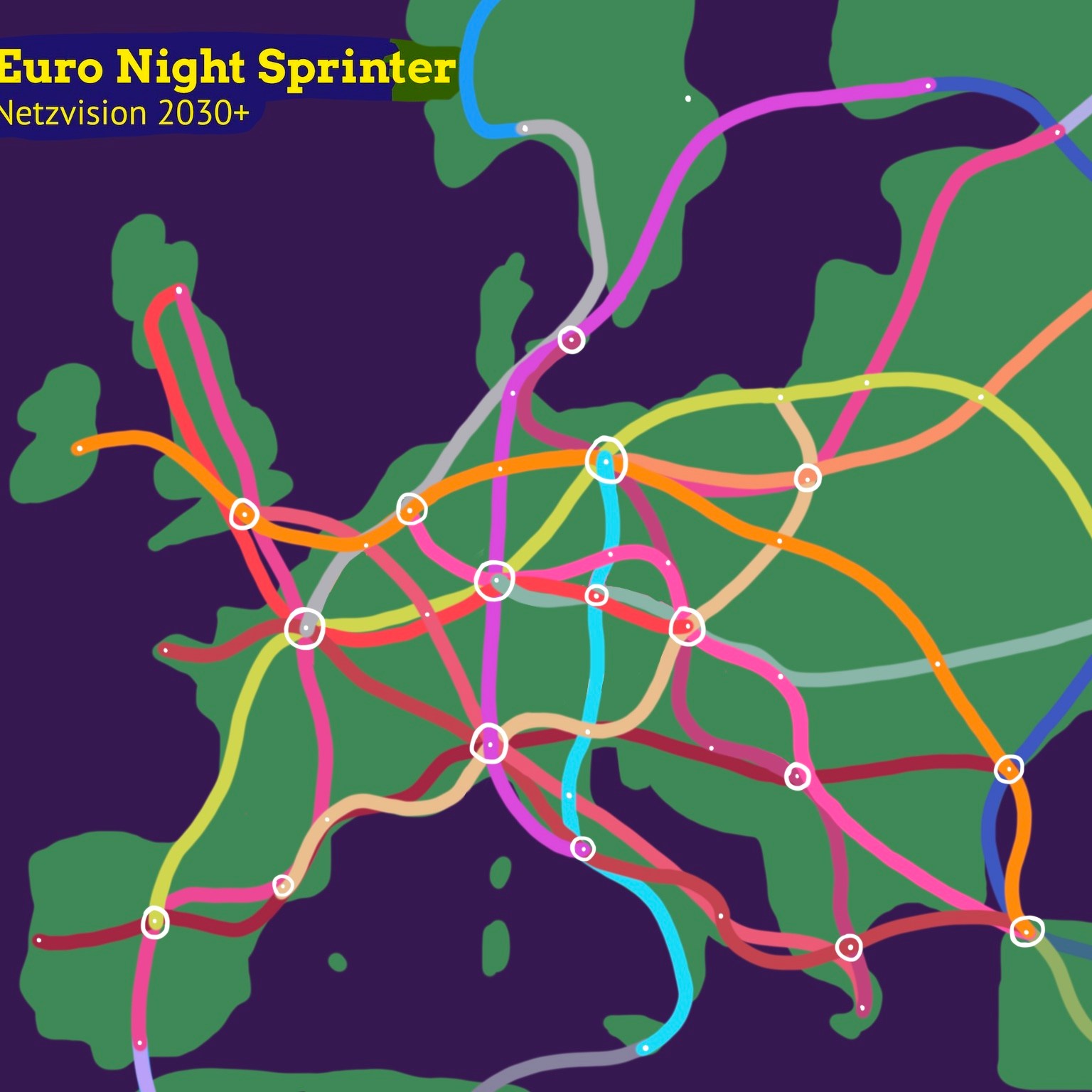
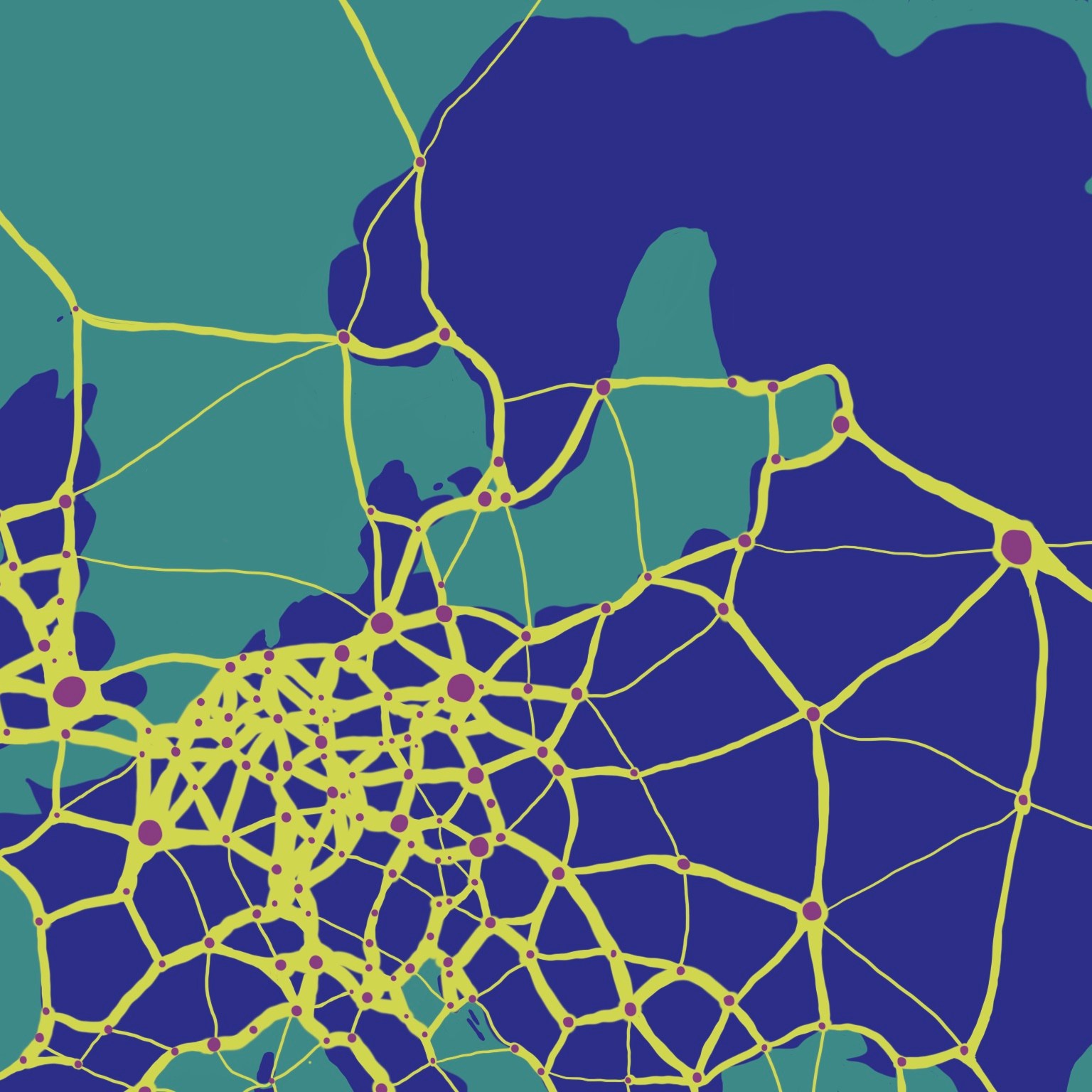
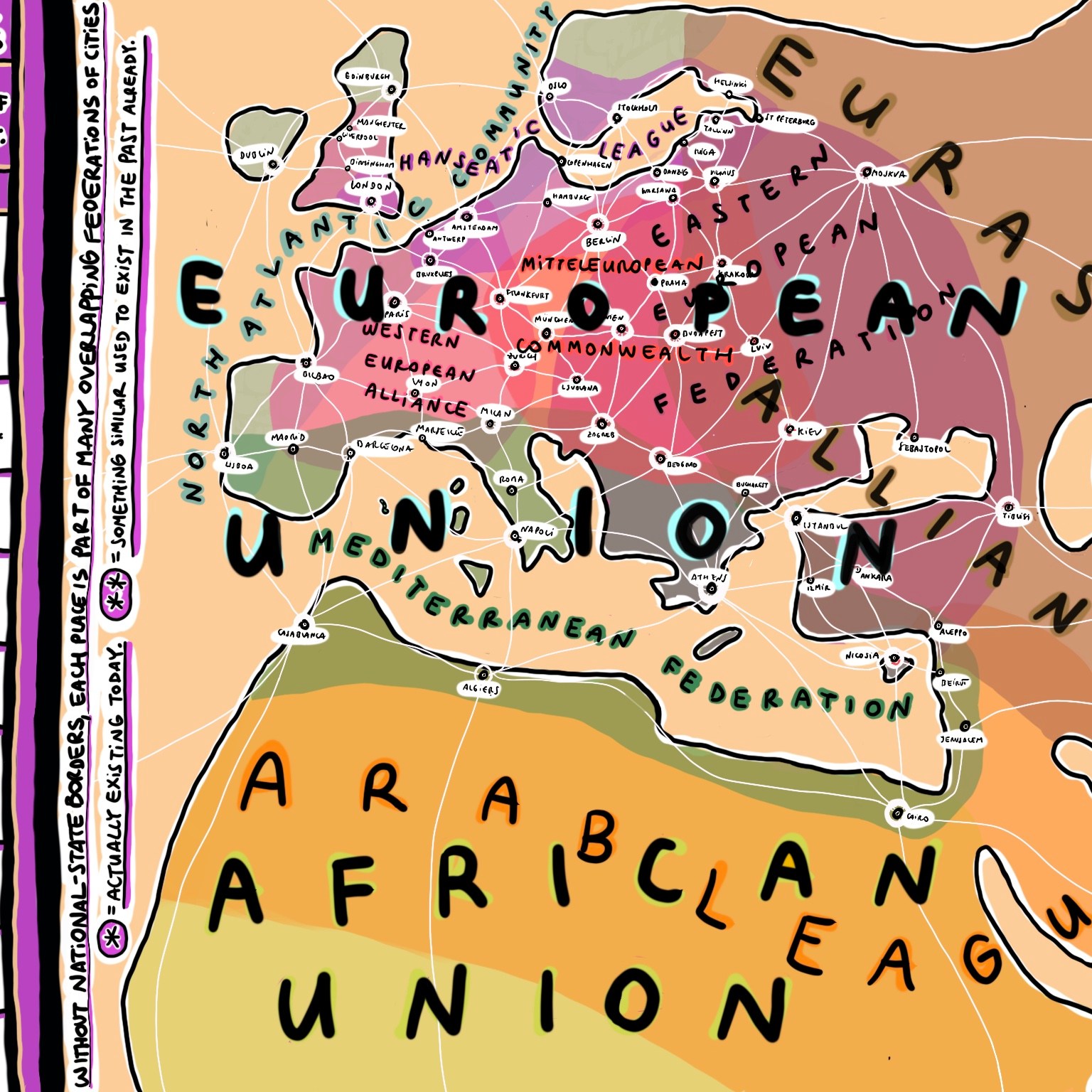
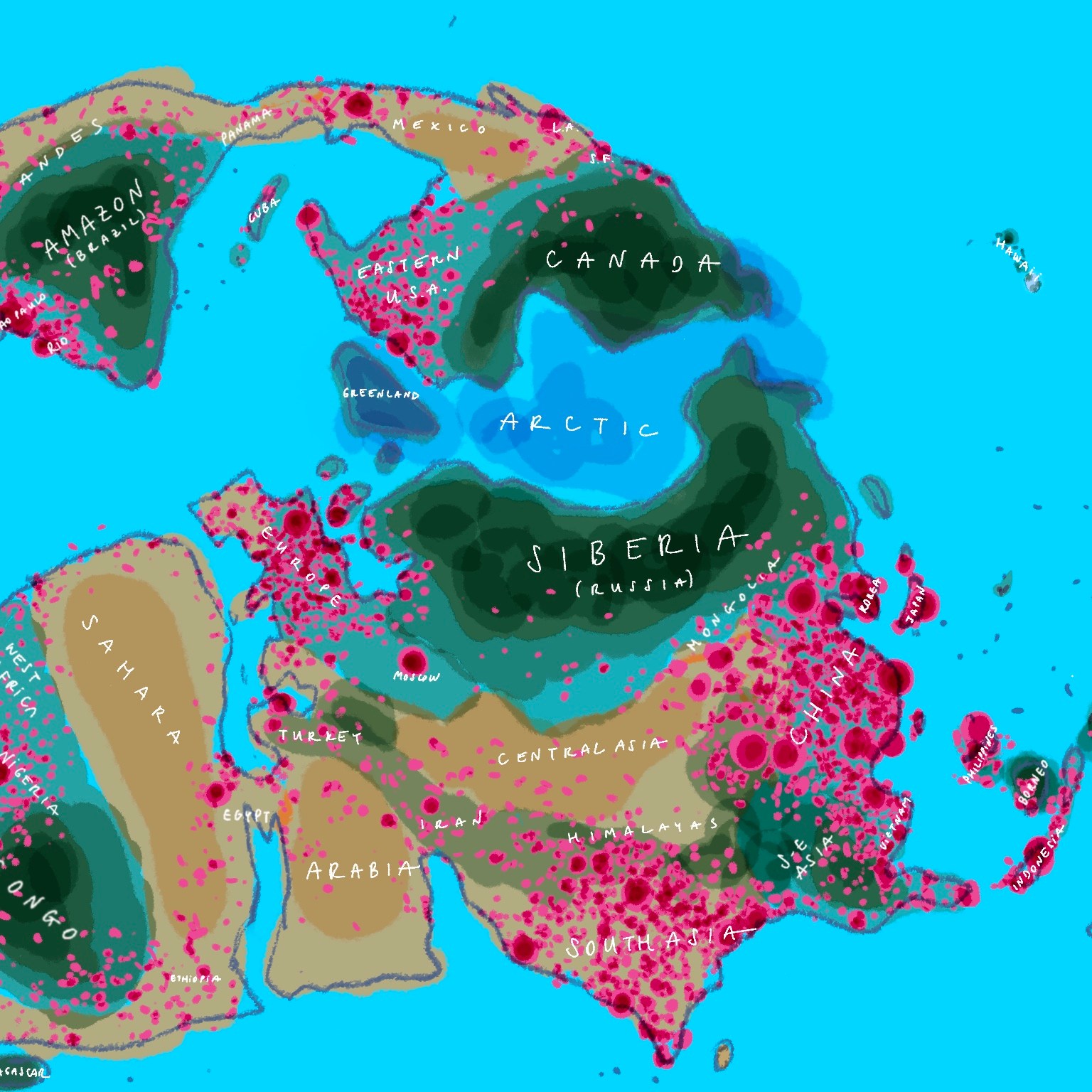
Every place comes together at the unique intersection, beyond borders, of many different histories (of people, of animals, of objects, of commodities, of knowledge, of power…). To think beyond national and “continental” borders, I made this map to play with the idea of overlapping federations (of which the EU would be just one).
Critical geography resources and exercises are included in each sub-section above, but…for the best introduction to critical geography and see what we mean by saying that each place is at the same time one and many, and that every local place is always also global at the same time…I don’t know a better teacher than Doreen Massey:
Her foundational “A Global Sense of Place” (in Space, Place and Gender, University of Minnesota Press, 1994, pp. 157-173) -> is linked HERE
Quick Note 3 (of 3):
The Politics of “Fortress Europe”:
“Defending” EU (& UK, US, Australian…) borders against whom and what?
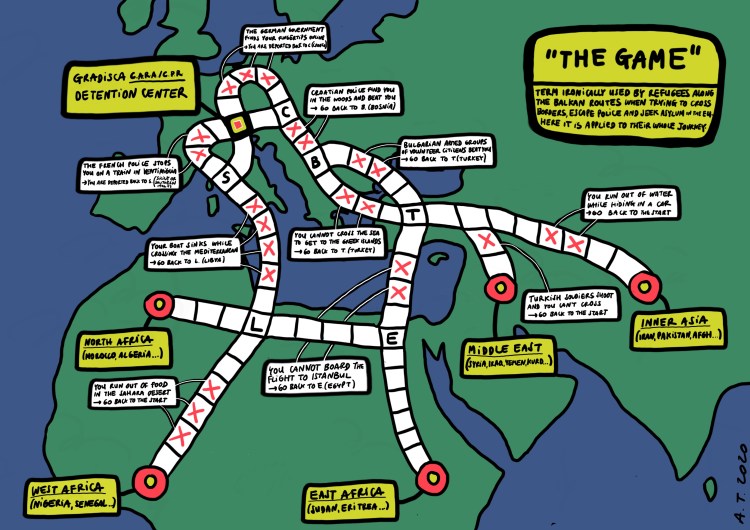
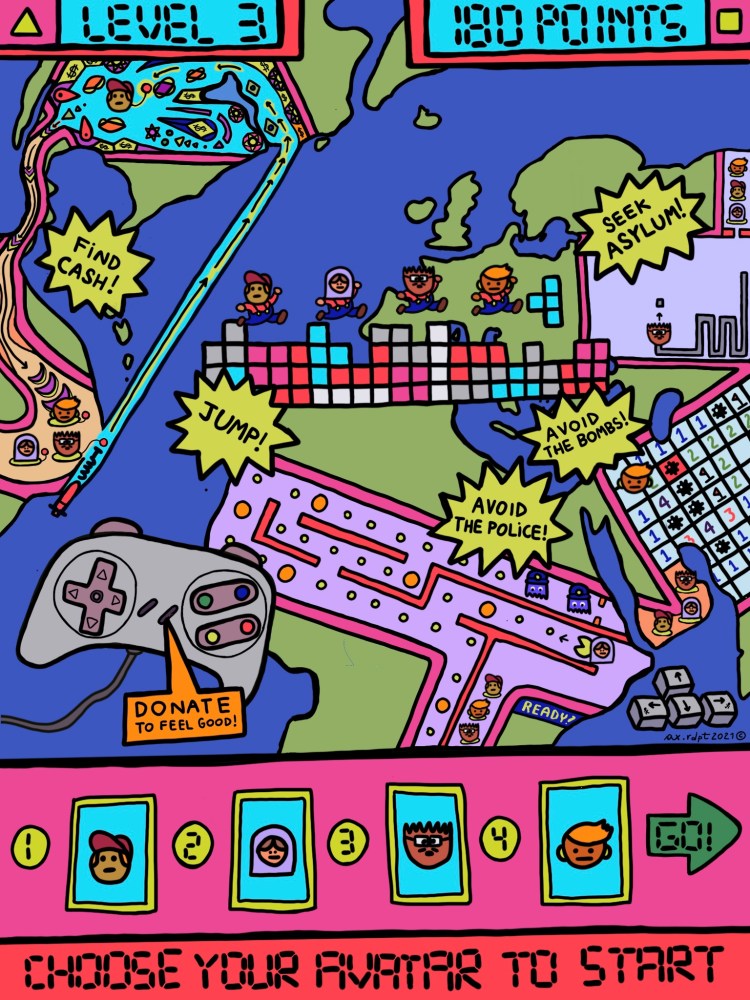
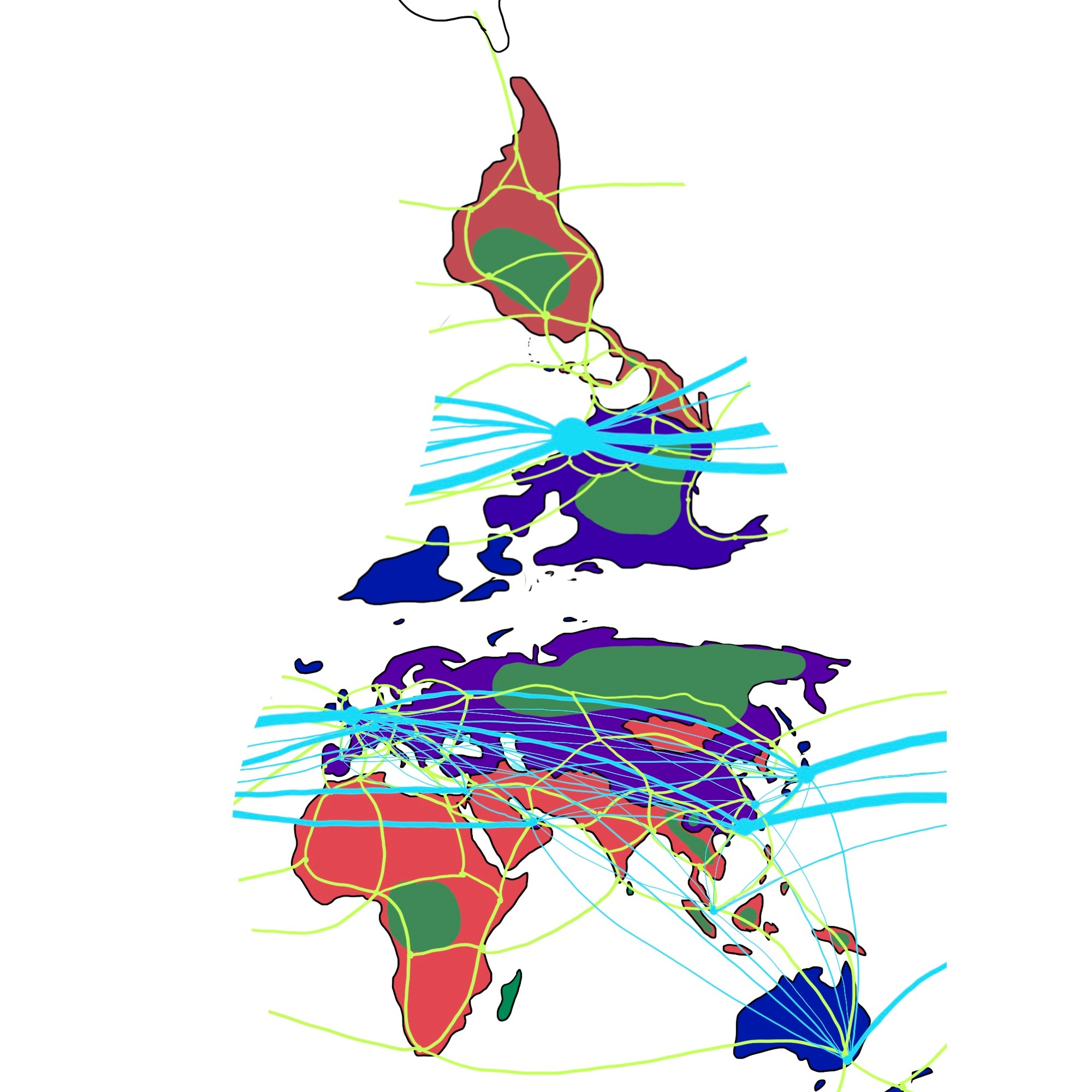
Questioning the meaning of “Europe” historically and today requires us to rethink global inter-connections, but the meaning of “Europe” is today most explicitly challenged at the violent borders of the EU (and of other white-majority countries like the UK, the US, or Australia), where borders arguably defend privileges still tied to the idea of “whiteness”, itself a racist invention of European biologists in colonial times. I made this map for a group of activists supporting refugees in the Balkans…the life story of each local citizen and of each migrant – and “European” politics, between Washington and Moscow and globally – are directly linked to Europe’s global history.
My own PhD research was an ethnography of “European” borders during the boom in the arrivals of migrants from many different parts of Asia and Africa seeking asylum in the EU in 2015-16, many escaping Syria and, in the case of my fieldwork, Pakistan and Afghanistan. My dissertation (Impossible Landings: Precarity, Populism and Walling in a ‘European’ Refugee Crisis) is linked here and resources and exercises on the politics of migration and borders (in the cases of the EU’s Frontex Agency, the US-Mexico border, Brexit, and others) are included in each sub-section above…
…but the single most accessible resource I could recommend to rethink the borders of “Fortress Europe” beyond mainstream perspectives is Nicholas De Genova’s introduction to the edited volume “The Borders of Europe” (Duke University Press, 2017, pp.1-24), linked -> HERE
———————————–



I think it’s important to mention that the name for this website was inspired by brilliant “Africa’s a Country” (linked HERE), founded by Sean Jacobs, although I actually do literally mean to say that Europe is not a continent 🙂
Some other pages that I draw inspiration from and I recommend:
- The Decolonial Atlas (maps and decolonial politics)
- Decolonize Myself – A First Nations Perspective
- Alok Vaid-Menon (gender and decolonial politics)
Finally, Democracy Now! is a great news source for relatively more global news (10-minutes daily headlines + the main show with interviews): https://www.democracynow.org/
_____________________________
Ax. R. DP. T. 廖翔东 علوش (they/them)
PhD in Geography, UC Berkeley
europeisnotacontinent@gmail.com
History/Geography/Modern Studies (Social Science) Teacher Registration: California Commission on Teacher Credentialing / Berlin Senatsverwaltung für Bildung, Jugend und Familie / General Teaching Council for Scotland / English Department of Education
Europe is Not a Continent.

 Europe is Not a Continent